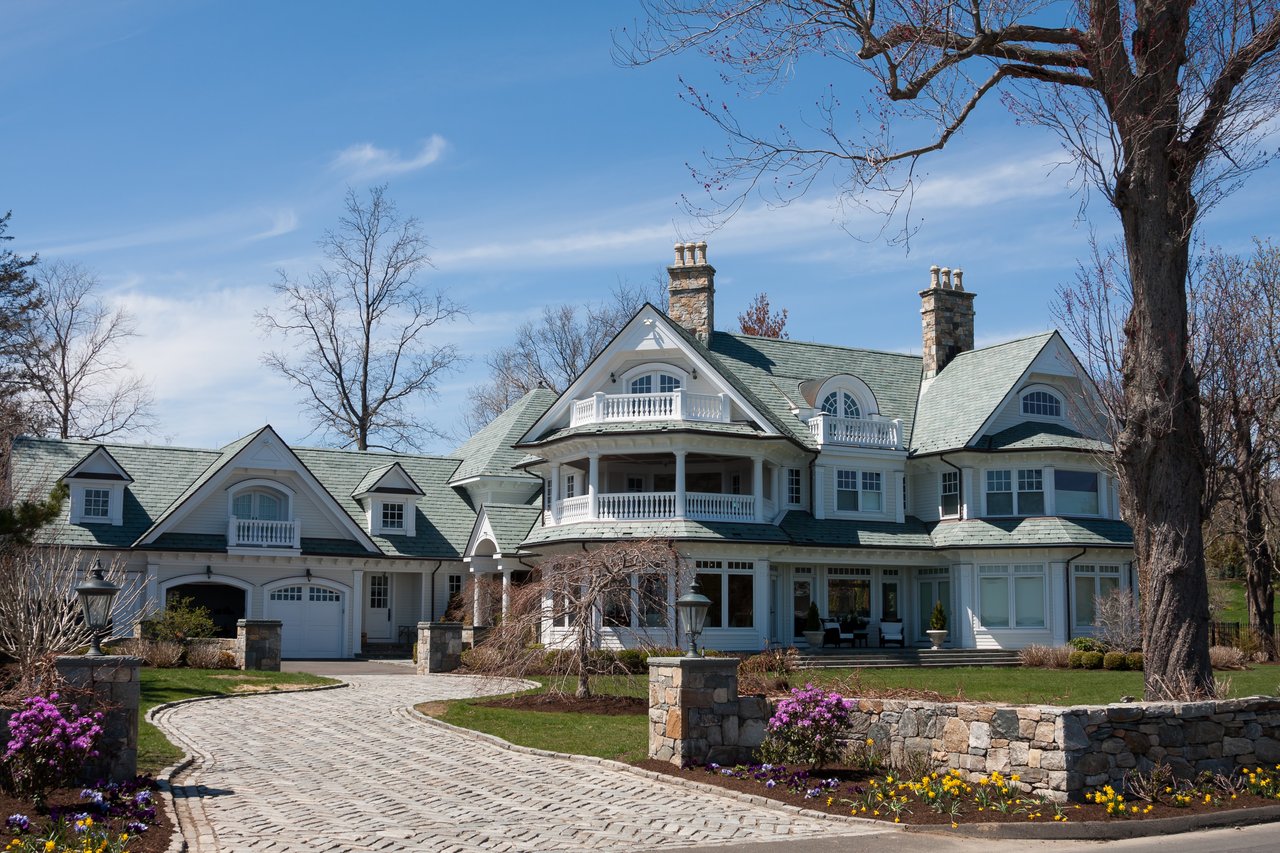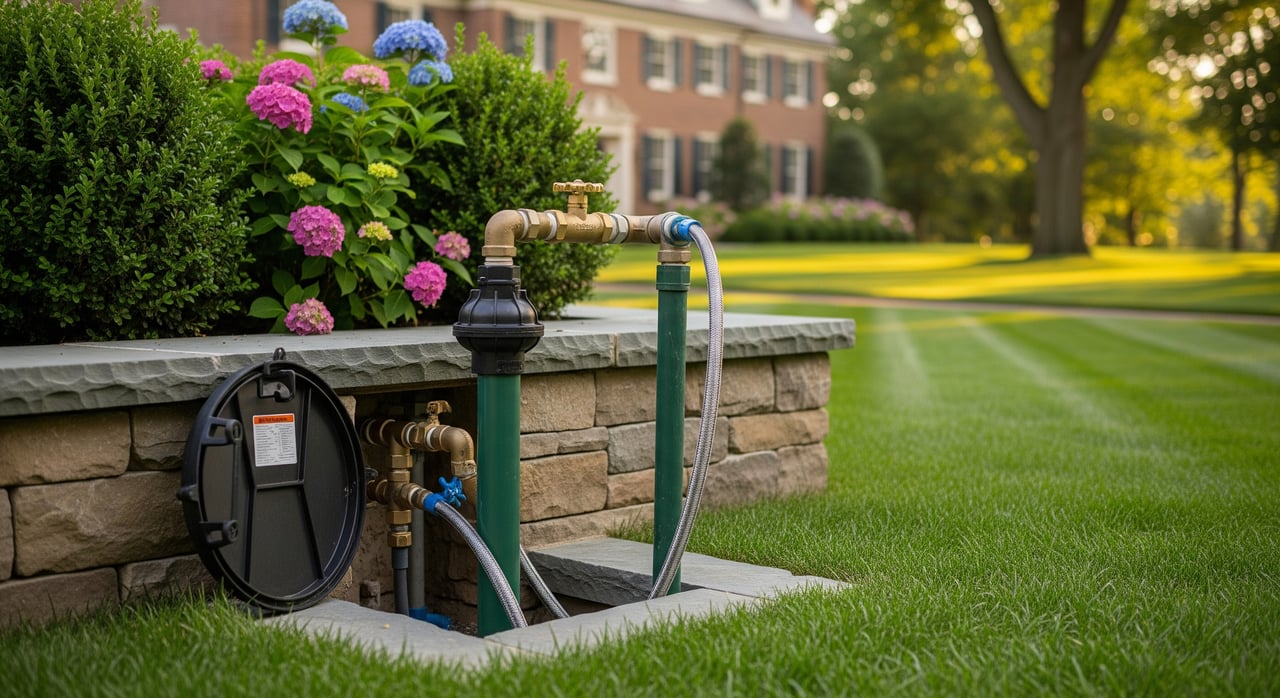
If you run irrigation on a Woodbury estate, there is one small device that protects every tap in your home and neighborhood. Your backflow prevention assembly keeps fertilizers, soil, and non‑potable water from reversing into the public water system when pressures fluctuate. Testing it each year is a simple way to protect public health and stay in good standing with your local water district. Below is a clear plan to confirm requirements, hire a certified tester, and keep your records organized. Let’s dive in.
Why backflow testing matters
Backflow prevention assemblies stop contaminated water from moving backward into the potable supply during pressure changes. Irrigation water can carry chemicals, microbes, and debris that do not belong in drinking water. Annual testing is the industry standard because parts wear, debris accumulates, and freeze events can damage components. Routine testing finds issues early so you can repair and retest before small problems become costly.
Woodbury and Jericho Water District rules
If your property is served by the Jericho Water District, you should treat irrigation backflow testing as an annual compliance item. Always confirm the latest requirements, forms, and submission method directly with the district because procedures and deadlines can change. Most districts require a certified tester, a completed report with device details and results, and submission within a set window after testing. Noncompliance can lead to fines, required repairs, or service restrictions until you are compliant.
What happens during a test
Irrigation systems commonly use Reduced Pressure Zone Devices (RPZs), Double Check Valve Assemblies (DCVAs), and Pressure Vacuum Breakers (PVBs). A certified tester will inspect each device for proper installation and accessibility, then use a calibrated test kit to confirm check valve performance and, for RPZs, the relief valve function. Expect 15 to 45 minutes per assembly for a routine test, longer if repairs are needed. You will receive a pass or fail result, a test tag update, and a report to submit to the district.
How to prepare your estate
Create your device inventory
Walk the property and list every backflow assembly tied to irrigation. Note the device type, location, and any serial or tag numbers. If you have multiple devices, create a simple map and assign IDs.
Schedule and ensure access
Book a certified tester with enough lead time for repairs and retesting before the district’s deadline. Clear vegetation, unlock gates, and arrange a point of contact if devices are inside enclosures. Ask about batching multiple devices in one visit to reduce cost and disruption.
Day-of checklist
Have water access available and be ready to shut off irrigation zones if the tester requests it. Keep last year’s test reports on hand to help identify recurring issues. Plan for 15 to 45 minutes per assembly and allow extra time if repairs are needed.
After the test: submit and file
If the device passes, submit the completed report to the water district according to its instructions. If it fails, authorize repairs and a retest, then submit the updated report. Keep digital and hard copies of all reports, tags, and invoices.
Finding and vetting certified testers in Nassau County
Look for certified backflow testers through plumbing and irrigation contractors or trade associations. Ask the water district if it maintains a list of approved or previously used testers. Request proof of certification, insurance, and recent calibration records for their test kit. Confirm that the company understands Jericho Water District reporting requirements and can perform or coordinate on‑site repairs.
Questions to ask a tester
- Which backflow tester certifications do you hold, and can you provide documentation?
- Are you familiar with Jericho Water District forms and submission rules?
- Do you perform repairs, and what are typical fees for common parts?
- Are you insured and licensed to work in Nassau County?
- Can you provide references from local properties?
Typical costs and timing
Plan for roughly 75 to 200 dollars per device for a basic annual test. Repairs, parts, and retesting are additional and vary widely by device and condition. For estates with multiple assemblies, schedule several weeks ahead and ask about volume pricing. Start early enough to complete any repairs before the district’s deadline.
Coordinating large estates
Create a master list of devices with labeled IDs, exact locations, and past test dates. Assign a property contact to meet the tester and coordinate access. Consider an annual service agreement that bundles testing with preventive maintenance and winterization to reduce last‑minute issues. Keep a calendar reminder for next year’s test so you can book early.
Recordkeeping and common issues
Keep originals and digital copies of all test reports, tags, repair invoices, and district correspondence for several years. Maintain a simple log for each device that notes installation date, parts replaced, winterization steps, and past failures. Expect common failures such as worn seats, debris in the assembly, freeze damage, improper installation, or pressure events that affect relief valves. Proactive maintenance helps reduce repeat failures and surprise costs.
Your next steps
- Confirm the Jericho Water District’s current policy, forms, and submission method.
- Inventory all irrigation backflow devices and create a simple map.
- Book a certified tester early and allow time for repairs and retesting.
- Submit the test report promptly and file copies for your records.
- For multiple devices, consider bundled scheduling or an annual service plan.
When you keep testing on schedule, you protect public health and avoid last‑minute compliance stress. If you are preparing a Woodbury estate for market, staying on top of irrigation backflow testing also prevents closing delays and supports a smoother due diligence process. For discreet guidance on property readiness and go‑to‑market planning, connect with Zach Elliott and schedule a Private Consultation.
FAQs
What is irrigation backflow testing in Woodbury?
- It is the annual inspection and performance test of your irrigation backflow prevention assembly to ensure non‑potable water cannot flow into the public drinking water system.
Who can perform backflow testing for Jericho Water District properties?
- Districts typically require a certified tester with recognized credentials, and some may also require licensing or specific approvals; confirm exact qualifications with the district.
How much does irrigation backflow testing cost in Nassau County?
- A basic test often ranges from about 75 to 200 dollars per device, with extra charges for repairs, parts, and any retesting.
How long does a typical backflow test take?
- Most routine tests take 15 to 45 minutes per assembly, with additional time needed if repairs are required.
What happens if my backflow device fails the test?
- You will need to authorize repairs by a qualified professional and schedule a retest, then submit the updated passing report to the water district.
How should large estates manage multiple backflow devices?
- Create an inventory and site map, assign a single access contact, schedule testing in batches, and consider an annual service agreement to streamline compliance.