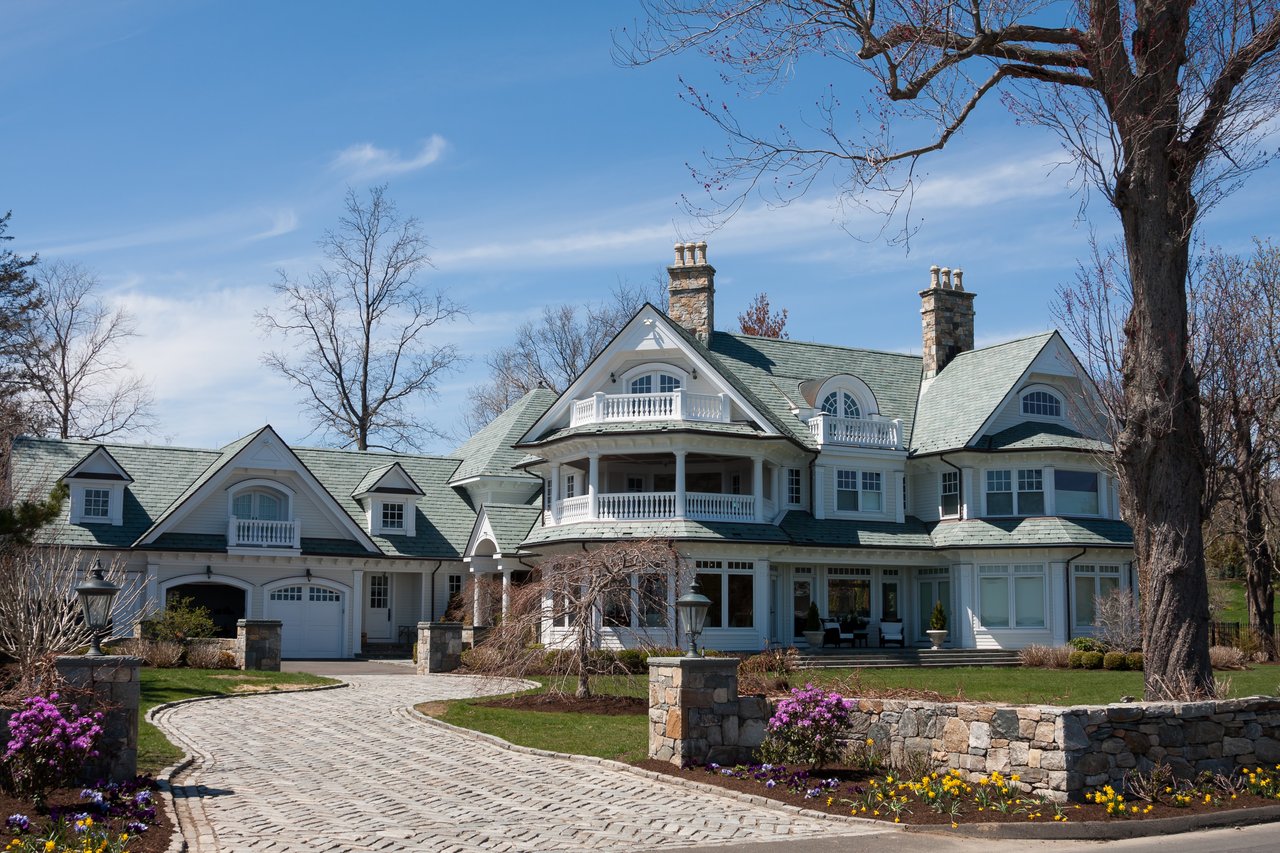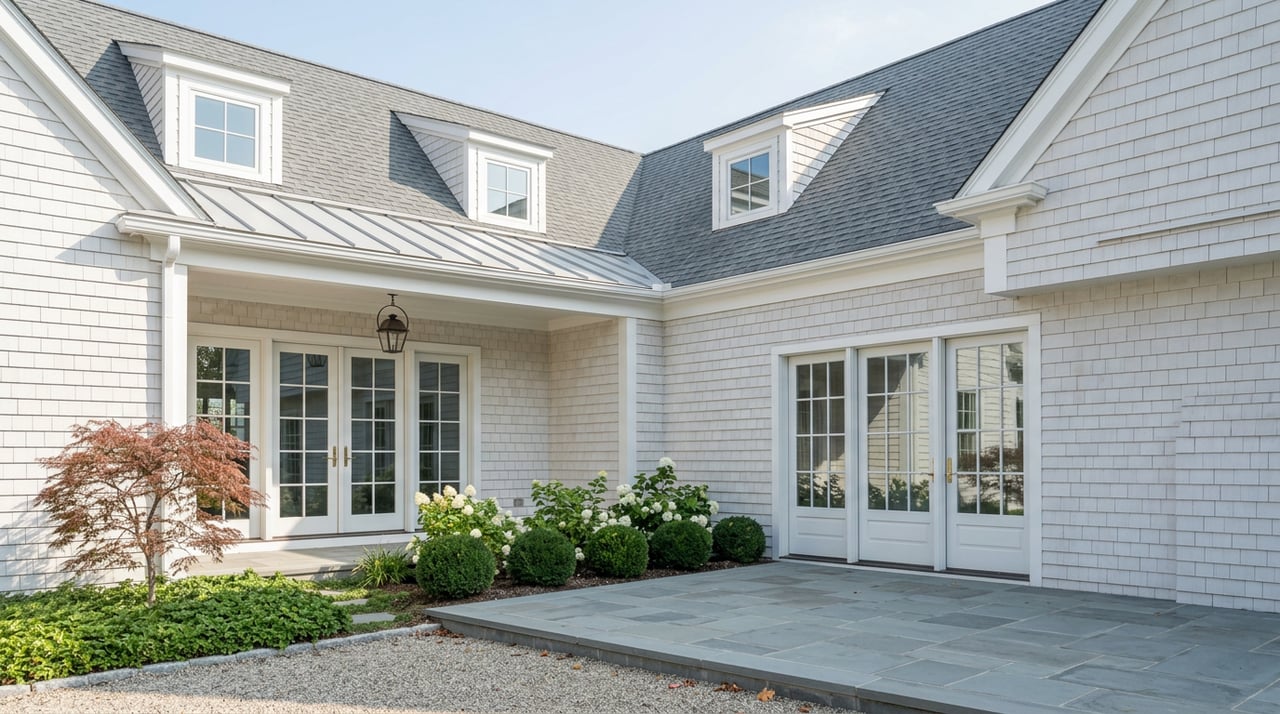
Considering a ground-up build or a major addition in Lloyd Harbor? The opportunity is exceptional, but so is the oversight. Between waterfront rules, tree protections, and strict lot coverage caps, even well-designed projects can stall without a clear plan. In this guide, you’ll learn how Lloyd Harbor’s zoning works, what permits you will likely need, how waterfront and septic rules affect feasibility, and the design moves that protect long-term value. Let’s dive in.
Why Lloyd Harbor rewards good planning
Lloyd Harbor prizes low density, natural cover, and shoreline stewardship. The Village uses several citizen boards to review large residential projects, and it expects detailed plans that respect trees, slopes, drainage, and coastal resources. That culture of care supports the market for privacy and long views, but it also means your team needs to be precise from day one. You can learn more about the Village’s priorities on the official Lloyd Harbor site.
Zoning and lot size rules that set the scale
Most estate parcels fall within large-lot residential districts. Before sketching ideas, verify your district and study the numeric caps that drive massing.
- Residence A-1: Typically at least 2 acres net. The Village caps principal building area at 7.5 percent of gross lot area and aggregate building area at 15 percent. The code also includes formulas for maximum gross floor area and specific garage allowances. Accessory structures, pools, and courts have significant setbacks.
- Residence A-2: Typically at least 4 acres net. Principal building area is limited to 5 percent, with a 10 percent aggregate cap. Setbacks are notably larger, including a 120-foot front setback baseline for principal structures, with additional increases for homes above certain sizes.
Always calculate your allowed gross floor area early and confirm whether the parcel is legally conforming or a pre-existing nonconforming lot. Special rules can apply to older parcels. For the full text and formulas, consult Chapter 205 of the Village zoning code.
Waterfront and bluff setbacks
Many Lloyd Harbor properties include bluffs, wetlands, or tidal shoreline. The code contains explicit bluff setbacks. On bluff sites next to tidal waters, a typical rule requires a building setback equal to twice the bluff’s elevation above mean sea level unless specific vegetation and toe protection conditions are met. These requirements, plus separate coastal and floodplain rules, frequently shape where a primary home, pool, or accessory structure can sit. See the waterfront and bluff standards in Chapter 205 of the Village zoning code.
Permitting roadmap: who reviews what
Major new builds and substantial additions usually pass through one or more Village boards. Early coordination reduces surprises and tends to shorten the overall path to permits.
Review bodies you may encounter
- Site & Building Permit Review Board (SBPRB): Reviews site design, tree preservation, slope controls, and buffers. Slope-land permits have defined submissions and 60-day action timing after receipt.
- Planning Board and Board of Trustees: Handle site plan approvals, special permits, and subdivisions. Waterfront or larger requests may trigger public hearings and agency referrals.
- Board of Zoning Appeals: Required if your project needs variances from numeric zoning standards.
- Harbor Control and Village Harbor staff: Oversee docks, moorings, and bulkhead activity. Shoreline work often also requires county, state, and federal permits.
You can confirm the framework of boards and procedures in the Village code.
What to prepare for your application
The Village expects a thorough technical package. Plan to assemble:
- An up-to-date topographic survey with 2-foot contours.
- A tree inventory with a tree-removal plan that addresses regulated trees over 4 inches in diameter.
- A detailed site plan that shows all buildings, drives, hardscape, and landscaping.
- A stormwater and drainage design that manages at least a two-inch, 24-hour storm for new impervious areas.
- Environmental forms, including the State Environmental Quality Review (EAF) and a Coastal Assessment Form (CAF) where coastal resources are implicated.
Expect multiple referrals and escrowed peer-review costs. The application content and checklists are detailed in the Village code and forms section.
Wetlands, coastal, and floodplain constraints
Lloyd Harbor defines floodplains and wetlands in its code and does not allow new principal buildings in floodplains or within 100 feet of wetlands except under specific permits. The Local Waterfront Revitalization Program (LWRP) also requires a consistency review for actions that could affect coastal resources. Shoreline work such as docks, bulkheads, or revetments typically involves Village approvals along with New York State DEC and U.S. Army Corps coordination. Review the Village’s LWRP materials for how local, state, and federal policies interact.
Sewer, septic, and grants: a critical early check
Some properties are connected to public sewers while many rely on private onsite wastewater systems. You should confirm the status for any target parcel with the Village and Suffolk County records. Since 2019, Suffolk County rules make in-kind cesspool replacement uncommon and encourage advanced nitrogen-reducing onsite systems, with grant and incentive programs available in some areas. For budget and feasibility, this can be a major driver. Review the County’s plan and updates in its water quality program materials.
Design and amenity planning within the rules
Most luxury programs on the North Shore include indoor-outdoor great rooms, large kitchens with chef or second kitchens, home offices or media suites, wellness areas, wine storage, and well-separated guest or staff quarters. Outside, pools with pool houses, sports courts, and, where allowed, private dock or mooring access are common. In recent years, buyers also prioritize resilience features like whole-house generators, EV charging, elevated first floors on low-lying sites, and protected mechanicals.
The Village’s aggregate building area caps and setback rules govern all of this. Keep in mind:
- In A-1 districts, aggregate building area is generally capped at 15 percent of gross lot area.
- In A-2 districts, the aggregate cap is generally 10 percent.
- Accessory structures and courts carry large setbacks, which can limit placement as much as size.
Build your program within these numeric limits to avoid unnecessary variance requests. Refer to Chapter 205 for the full zoning details.
Siting and massing for long-term value
Mature trees and natural buffers are prized in Lloyd Harbor. The Village’s tree ordinance requires permits for most regulated removals and often replacement planting or bonds for large removals. Preserving screening not only supports approvals, it also strengthens privacy and resale appeal in this market. Review the tree protection requirements in the Village tree code.
Waterfront resilience and FEMA coordination
If your parcel lies in a mapped flood zone or within low elevation bands, plan for elevated finished floors, flood-resistant materials, protected utilities, and safe egress. Early confirmation of base flood elevation helps you right-size design choices and insurance assumptions. See the Village’s FEMA survey and guidance page and verify mapping with the Building Department at the start of design.
Timeline and cost drivers you should expect
Large Lloyd Harbor projects rarely move on a fast track. Plan for months, not weeks, to reach shovel-ready status. Typical schedule drivers include pre-application meetings, formal submissions, board calendars, outside agency referrals, and, for shoreline or variance matters, public hearings.
Key cost and timeline factors:
- Engineering for steep slopes, bluff stability, and shoreline protection where applicable.
- Tree protection, mitigation planting, and potential arborist reports.
- Stormwater and drainage systems scaled for site coverage and soils.
- Septic replacement or sewer connection planning per County rules.
- Coastal and wetlands studies, plus permit coordination with DEC and the Army Corps.
- Village-required escrow accounts for professional peer review.
You can find the regulatory framework for these items in the Village zoning code.
Due-diligence checklist for buyers and owners
Use this quick list before you commit to a build or expansion plan:
- Confirm zoning district, floodplain, and wetlands mapping with the official code resources and Building Department.
- Order an ALTA/topographic survey with 2-foot contours and a tree inventory; required for most serious submittals.
- Verify sewer connectivity with the Village and obtain Suffolk County records for existing septic or cesspool systems; check eligibility for wastewater grants.
- For waterfront parcels, commission a wetlands delineation and coastal assessment to locate jurisdictional lines early.
- Schedule a pre-application conversation with the Building Department or SBPRB to surface any red flags and likely third-party review needs.
For current forms and references, see the Village’s codes and permits page.
Recommended core project team
Assemble a team that understands Lloyd Harbor’s approvals culture and coastal context:
- Architect experienced with Lloyd Harbor submissions
- Civil and structural engineers
- Licensed surveyor
- Geotechnical engineer for slope or bluff sites
- Coastal or shoreline engineer for waterfront work
- Licensed liquid-waste or septic engineer
- Landscape architect and arborist
- Land-use attorney or permit expeditor
- Accountant or tax advisor to model ownership and estate impacts
A coordinated team helps you translate program goals into a compliant, buildable plan that preserves value.
Ready to move from idea to execution?
If you are weighing a new build, a major addition, or the redevelopment of an estate site in Lloyd Harbor, the right preparation can save months and protect long-term value. For confidential guidance on site selection, due diligence, and market positioning for a future sale, schedule a Private Consultation with Zach Elliott.
FAQs
What are the key zoning limits for large lots in Lloyd Harbor?
- Most parcels fall into A-1 or A-2 districts. A-1 typically requires at least 2 acres with a 7.5 percent principal and 15 percent aggregate building area cap. A-2 typically requires at least 4 acres with a 5 percent principal and 10 percent aggregate cap.
How close can you build to a bluff or shoreline in Lloyd Harbor?
- On many bluff sites next to tidal water, a setback equal to twice the bluff’s elevation above mean sea level applies unless certain vegetation and toe protection conditions are met, and wetlands setbacks and floodplain limits also control siting.
What permits are needed for docks or bulkheads in Lloyd Harbor?
- Shoreline work usually requires Village Harbor Control involvement and consistency with the LWRP, plus permits or reviews from New York State DEC and the U.S. Army Corps for work in tidal or navigable waters.
Do I need a variance for a larger garage, guesthouse, or sports court?
- It depends on lot size, aggregate building area caps, and setbacks. If your design exceeds numeric standards, you will need relief from the Board of Zoning Appeals; many projects can be optimized within the code to avoid variances.
How do septic rules affect a new build or addition in Lloyd Harbor?
- Many properties use onsite systems. Suffolk County policies now favor advanced nitrogen-reducing systems over simple cesspools and offer grants in some areas. Confirm whether the parcel is sewered and budget for system upgrades early.